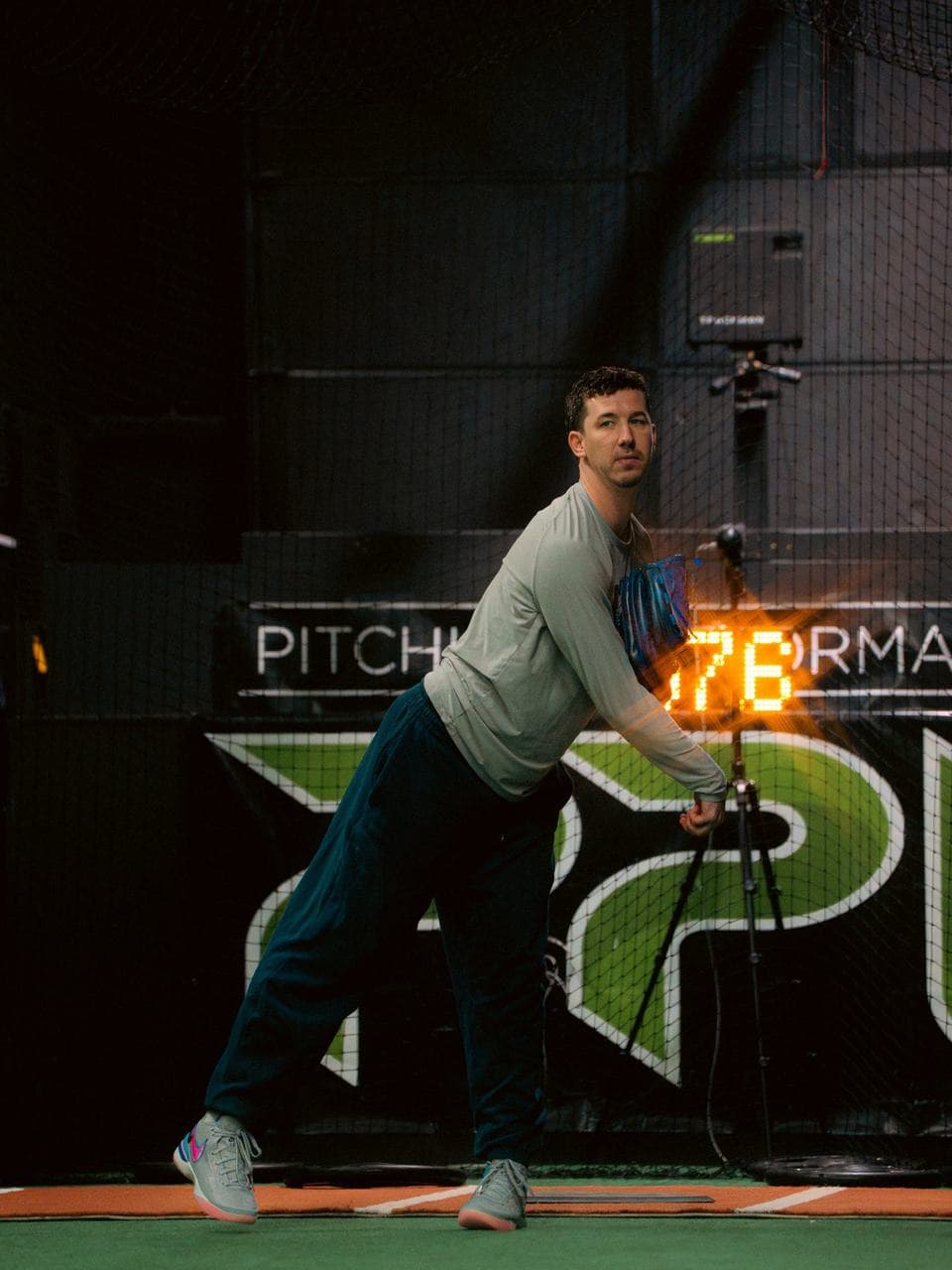
A pitcher finishing a throw beside the PPL logo wall with the velocity readout behind him

Tommy John

Most of what protects the elbow happens before the injury

Parents hear about Tommy John surgery and assume it is bad luck. It usually is not. The research points to a short list of habits that raise the risk, and almost all of them are things a family and a coach can control.

3,000+Athletes trained
400+College commits
50+Pro baseball players

What it is

A torn ligament on the inside of the elbow

Tommy John surgery reconstructs the ulnar collateral ligament, the UCL, which holds the inside of the elbow together while a pitcher throws. Every hard throw stresses it. When the stress outruns the recovery, often over months or years, it can tear. The surgery works well for many players, and the return to pitching usually takes a year or more, which is why prevention matters so much.

The biggest risks

Fatigue, volume and no time off

One widely cited study of young pitchers found that those who regularly pitched with arm fatigue had about 36 times the injury risk of those who did not. Pitching too many innings and pitching year round without a real break are the other big ones. MLB and USA Baseball Pitch Smart guidelines set pitch counts and rest days by age, a limit of 100 innings in a year for thirteen and fourteen year olds, and at least four months off from throwing every year.

The hidden ones

Catching, multiple teams and max effort showcases

Pitch Smart also recommends avoiding catching on days a player is not pitching and avoiding playing for more than one team at a time, because both quietly add throws that nobody is counting. Showcases ask for max effort on demand, often in the off season when the arm is not built up for it. None of these are forbidden. They just need to be planned instead of stacked.

How PPL protects the arm

Assess the body, then build the workload around it

Every PPL athlete gets a movement assessment from a physical therapist, because a hip or shoulder that does not move well can push extra stress onto the elbow. Every athlete is on a phase based throwing program, so throwing builds up and comes down on purpose. And every bullpen is on Trackman and video, so a coach can see fatigue in the numbers and the delivery before it shows up as pain.

Questions parents ask

Straight answers

What causes Tommy John injuries in young pitchers?

Usually stress that outruns recovery over time. The biggest risk factors in the research are pitching while fatigued, pitching too many innings, pitching year round without time off, and adding throwing from catching or extra teams.

How can my son avoid Tommy John surgery?

Never pitch through fatigue or pain, follow Pitch Smart pitch counts and rest days, take at least four months off from throwing each year, avoid catching on days he is not pitching, and get his movement assessed so his body is not forcing his elbow to do extra work.

Do curveballs cause Tommy John?

The research has not found a strong link between curveballs and elbow injuries in kids. Workload and fatigue matter much more. The published guidance still says fastball and changeup through age twelve, mostly because young pitchers do not yet have the mechanics for a breaking ball.

Does throwing harder increase Tommy John risk?

Higher velocity does mean more stress on the elbow, which is why velocity should be built on strength, good movement and a planned workload, not chased by throwing harder more often.

Find out what his arm needs

The free assessment looks at how your athlete moves and throws, and you leave knowing what we would change first to keep his arm healthy.

Book the free assessment